Posts

Showing posts with the label Eating disorders

Can mental health cause obesity?

Image
  Obesity and mental health problems are related in more than one manner. While it's obvious that being overweight can have a negative impact on one's emotional health, it's also true that having a mental health condition can affect one's weight. For people who are obese, a range of practical and sociocultural variables might result in mental health problems. Quality of life: Due to their size and chronic illnesses, men and women who are significantly overweight frequently experience issues with their ability to perform physical and occupational tasks. Being physically unable to engage in their favourite activities, such as going to exciting events, travelling, or spending time with friends and family, can cause social isolation, loneliness, and a greater inability to deal with life's challenges. Depression has been related to chronic pain on its own. Weight bias and discrimination: Society's negative views on obesity are one of the largest obstacles for ...

Can Obesity Come From Parents?

Image
  Every element of human physiology , development, and adaptation is influenced by genes. The same applies to obesity. However, surprisingly little is known about the precise genes that cause obesity and the magnitude of so-called "genetic environment interactions," the intricate interactions between our ancestry and our upbringing. Following the discovery that almost 40% of a child's weight is inherited from their parents, recent research issues a warning about the potential effects parental overweight and obesity may have on offspring. Additionally, the team discovered that the likelihood of an overweight child increases with parental weight . Obesity can have immediate and long-term effects on a child’s health, including increased risk of asthma, type 2 diabetes, metabolic syndrome, heart disease, and some forms of cancer. Children who are obese are also more likely to have emotional health problems, such as low self-esteem and depression. While a healthful diet an...

Do you know the links between obesity and type 2 diabetes?

Image
  The likelihood of developing various types of diabetes mellitus is known to be influenced by a number of factors, despite the fact that the precise causes of diabetes are still not entirely understood. Being overweight or obese is included with type 2 diabetes (having a body mass index – BMI – of 30 or greater). While current research indicates that obese persons are up to 80 times more likely to get type 2 diabetes than those with a BMI of less than 22, obesity is really thought to be responsible for 80–85% of the risk of developing type 2 diabetes. It is common knowledge that people who are overweight or obese are more likely to develop type 2 diabetes, especially if they have extra weight around their stomachs (abdomen).’ According to studies, abdominal obesity triggers the production of "pro-inflammatory" chemicals from fat cells, which can reduce the body's sensitivity to the insulin it generates by interfering with the insulin-responsive cells' ability t...

How fast food affect Obesity?

Image
Particularly in industrialised countries like the United States and the UK, the number of fat people has increased exponentially. In most countries today, obesity has become a public health issue. Diabetes, heart disease , stroke, gall bladder disease, fatty liver, rheumatoid arthritis, joint diseases, and some malignancies are only a few of the long-term health concerns, illnesses, and early deaths that obesity is associated with. According to studies, the amount of food consumed during the previous 40 years that was eaten away from home has also increased drastically. Because of the huge portion sizes and higher caloric density of foods, eating out is well recognised to raise the risk of obesity and contribute to excessive calorie consumption . Fast foods fall into this category of food. Fast foods are typically: - High in calories High in fat High in saturated and trans fat High in sugar High in simple carbohydrates High in sodium (salt) Fast food is associated with highe...

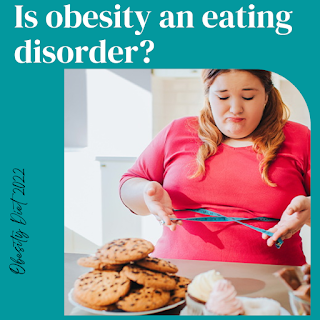
Is obesity an eating disorder?

Image
  “Obesity as a Health Condition, Not an Eating Disorder” Obesity A BMI (body mass index) of 30 or higher is considered obese , which places a person at a high risk for conditions like cancer, heart disease, diabetes, and stroke. Eating disorder Eating disorders are psychological problems marked by significant and ongoing disturbances in eating patterns and the uncomfortable thoughts and emotions that go along with them. Anorexia, bulimia, binge eating disorder, avoidant restricted food intake disorder (ARFID), and other defined feeding or eating disorders are among the various categories under which eating disorders can be classified (OSFED). An eating problem can be brought on by a multitude of circumstances, such as trauma, the control paradox, environmental, biochemical, and psychological variables, just like obesity. Medical and mental health specialists are the most effective treatment option for many eating disorders since eating disorders are frequently associate...